NVIDIA RTX Spark Review: 128GB for Local AI Agents
NVIDIA RTX Spark: 20-core Grace ARM CPU, 6,144 CUDA-core Blackwell GPU, 128GB unified memory for local AI agents and 1440p gaming. Full breakdown.
TL;DR
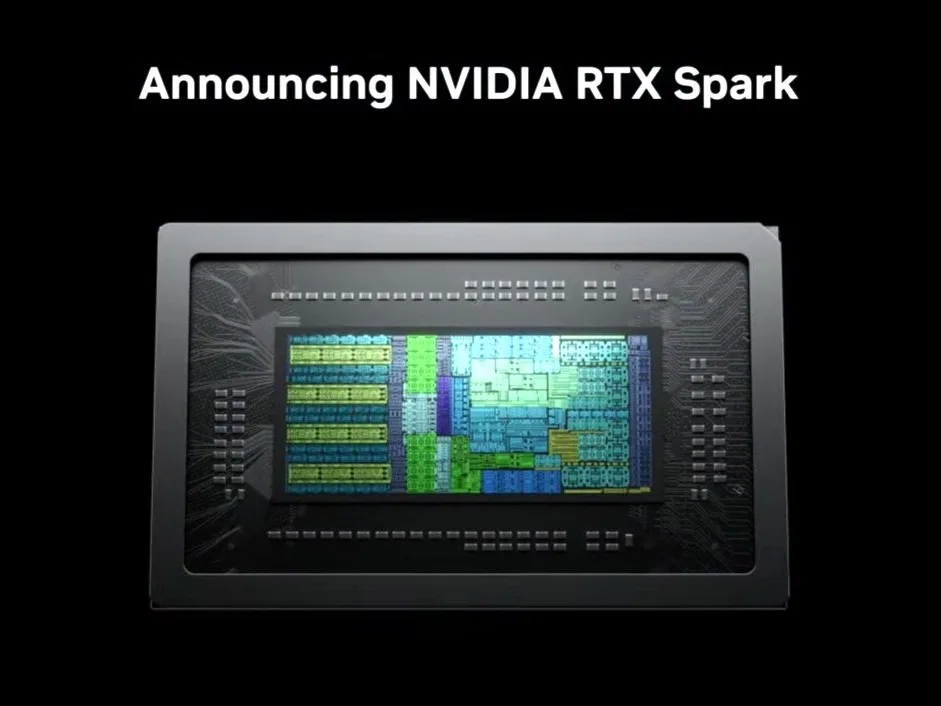
Co-developed with MediaTek and Microsoft, the RTX Spark (code name N1x) is an ARM-based SoC integrating a 20-core Grace CPU, a Blackwell-based GPU with 6,144 CUDA cores, and up to 128GB of coherent unified LPDDR5X memory on TSMC's 3nm node.
The chip delivers up to 1 petaflop of FP4 AI performance locally. Working with Microsoft, NVIDIA introduced 'NVIDIA OpenShell' and the 'NVIDIA Agent Toolkit' to run secure, local autonomous agents (using NemoClaw) natively on Windows.
Ecosystem laptops from ASUS (ProArt P16/P14), HP (OmniBook), Microsoft (Surface Laptop Ultra), Dell, Lenovo, and MSI will ship this Fall. Compact, ultra-efficient desktops are also on the way.
The GPU's graphics core is equivalent to a desktop RTX 5070, supporting full ray tracing/path tracing, DLSS 4.5 Ray Reconstruction (releasing in August), and future DLSS 5. NVIDIA claims up to 100 fps gaming at 1440p.
While hardware specs are formidable, the software side must overcome legacy x86-64 compatibility hurdles for PC gaming and older creative apps. Real-world translation performance is the key variable to watch.
CEO Jensen Huang committed to three generations of Spark: Grace Blackwell, Vera Rubin (using LPDDR6 memory), and Rosa Feynman. This roadmap builds long-term developer and OEM trust in the new ARM ecosystem.
NVIDIA RTX Spark: Fusing Grace and Blackwell for the Windows Agentic Era
TAIPEI, June 1, 2026 - At Computex 2026, NVIDIA CEO Jensen Huang unveiled the NVIDIA RTX Spark™, a custom-engineered ARM-based System-on-Chip (SoC) designed in close collaboration with MediaTek and Microsoft.
The industry implications are immediate: after years of speculation following the expiration of Qualcomm’s exclusive Windows on ARM agreement, NVIDIA has entered the consumer PC processor market with full-stack desktop and laptop silicon.
By pairing its enterprise-grade Grace CPU technology with consumer-grade Blackwell graphics and a massive pool of unified LPDDR5X memory, NVIDIA is attempting to shift personal computing from an application-centric interface to a local, agent-driven user experience.
Below is an objective technical analysis of the RTX Spark’s architectural specifications, its software-driven agent ecosystem, gaming promises, and the compatibility challenges it must navigate upon its release this Fall.
Technical Specifications: The Spark Under the Hood
The RTX Spark (codenamed the N1x platform) is manufactured on TSMC’s advanced 3-nanometer EUV foundry node. Physically, it is a unified "Superchip" that bridges the Grace CPU and Blackwell GPU architectures over NVIDIA's ultra-low latency NVLink-C2C chip-to-chip interconnect.
| Specification | NVIDIA RTX Spark Detail |
|---|---|
| CPU Architecture | ARM-based custom Grace CPU (20 cores, mixed performance/efficiency) |
| GPU Architecture | NVIDIA Blackwell (6,144 CUDA cores, 48 Streaming Multiprocessors) |
| Coherent Unified Memory | Up to 128GB LPDDR5X |
| Memory Interface Bandwidth | 300 GB/s (System memory) / 600 GB/s internal NVLink-C2C interconnect |
| Local AI Compute Performance | Up to 1 petaflop FP4 |
| Foundry Node | TSMC 3nm EUV |
| Target Platforms | Premium notebooks (down to 14mm thick) & compact desktops |
| Initial Launch Partners | ASUS, Dell, HP, Lenovo, Microsoft Surface, MSI, Acer, GIGABYTE |
Fusing Grace and Blackwell
Rather than relying on typical system-on-chip architectures that bottleneck communication between graphics and system memory, NVIDIA has brought its server-grade coherent unified memory architecture down to consumer form factors.
The 20-core Grace CPU, designed in collaboration with MediaTek's power-efficiency engineers, operates within tight thermal limits suitable for laptops as thin as 14 millimeters. This is connected directly to the Blackwell iGPU, which operates with 6,144 CUDA cores. This core count matches the desktop GeForce RTX 5070, bringing comparable processing power into thin-and-light laptop designs.
Turning the PC Into a Teammate: The Local Agent Platform
The architectural purpose of having up to 128GB of coherent unified memory and 1 petaflop of FP4 local processing power is simple: running large, local AI agents continuously and privately.
Rather than sending data back and forth to cloud APIs, the RTX Spark is built to host models up to 120 billion parameters directly on-device.
To secure and manage this on-device intelligence, NVIDIA and Microsoft have partnered to build native Windows 11 platform integration.
┌────────────────────────────────────────────────────────┐ │ Microsoft Windows 11 │ │ (Native Personal Agents & Copilot+ Integration) │ └───────────────────────────┬────────────────────────────┘ │ (Secure OS Primitives) ┌───────────────────────────▼────────────────────────────┐ │ NVIDIA OpenShell™ Layer │ │ (Secure execution sandbox for local agents) │ └───────────────────────────┬────────────────────────────┘ │ (Agent Toolkit APIs) ┌───────────────────────────▼────────────────────────────┐ │ NVIDIA NemoClaw™ │ │ (Open-Source Reference Stack & Safety Guardrails) │ └───────────────────────────┬────────────────────────────┘ │ (1 PFLOP FP4 Native Compute) ┌───────────────────────────▼────────────────────────────┐ │ NVIDIA RTX Spark Hardware │ │ (20-Core Grace CPU + 6,144 Core Blackwell GPU) │ └────────────────────────────────────────────────────────┘
The Software Architecture: OpenShell & NemoClaw
Running always-on, autonomous agents on primary personal devices presents massive security and privacy challenges. To address this, NVIDIA announced:
- NVIDIA OpenShell™: Secure, sandboxed OS primitives designed alongside Microsoft to isolate local agents, preventing unauthorized file execution or data leaks.
- NVIDIA NemoClaw™: An open-source agent development platform (part of the broader NVIDIA Agent Toolkit) that allows developers to build, evaluate, and deploy secure local agents.
These software layers permit private LLMs to browse local directories, debug code, or schedule workflows securely and without cloud subscription fees.
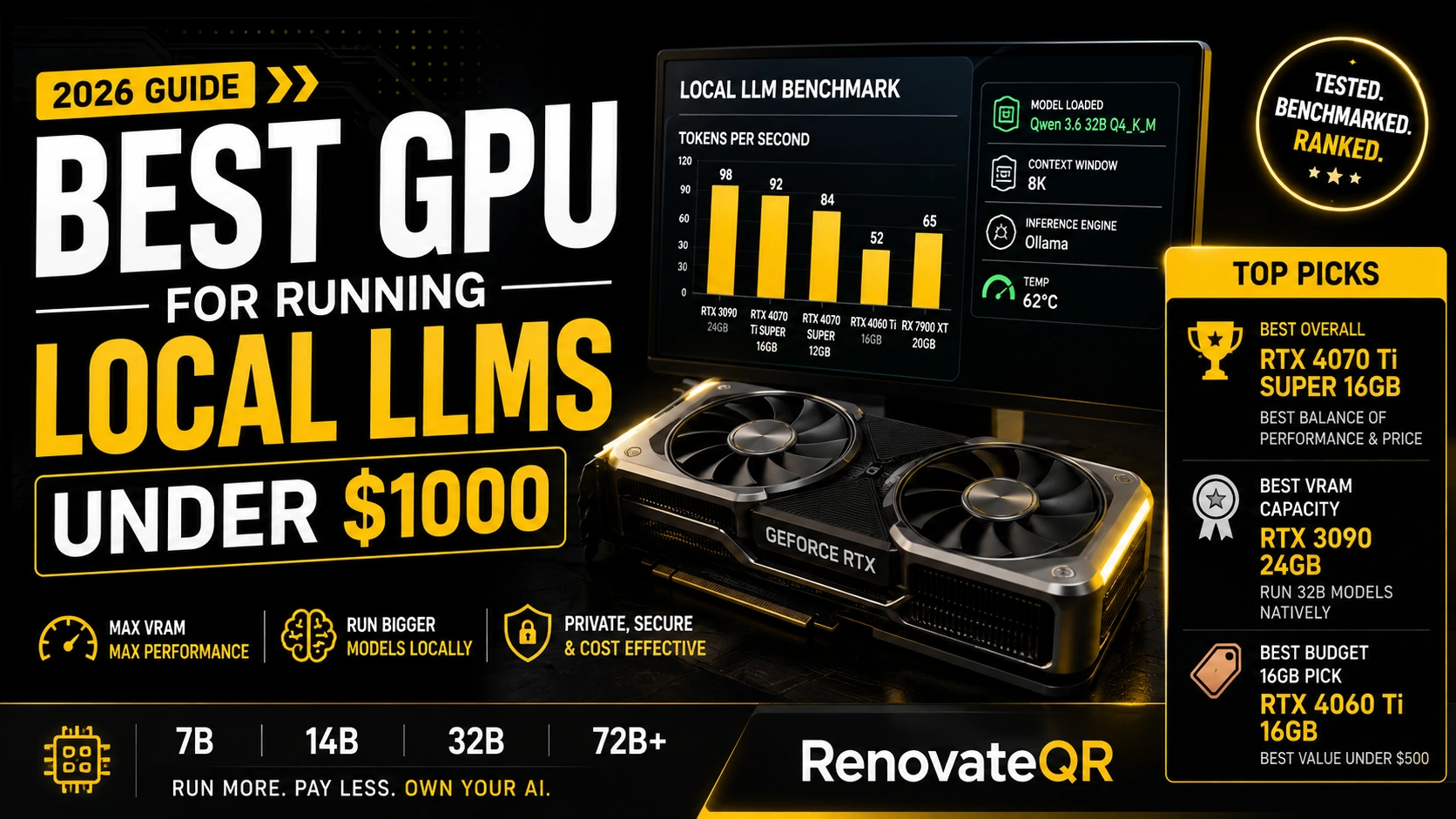
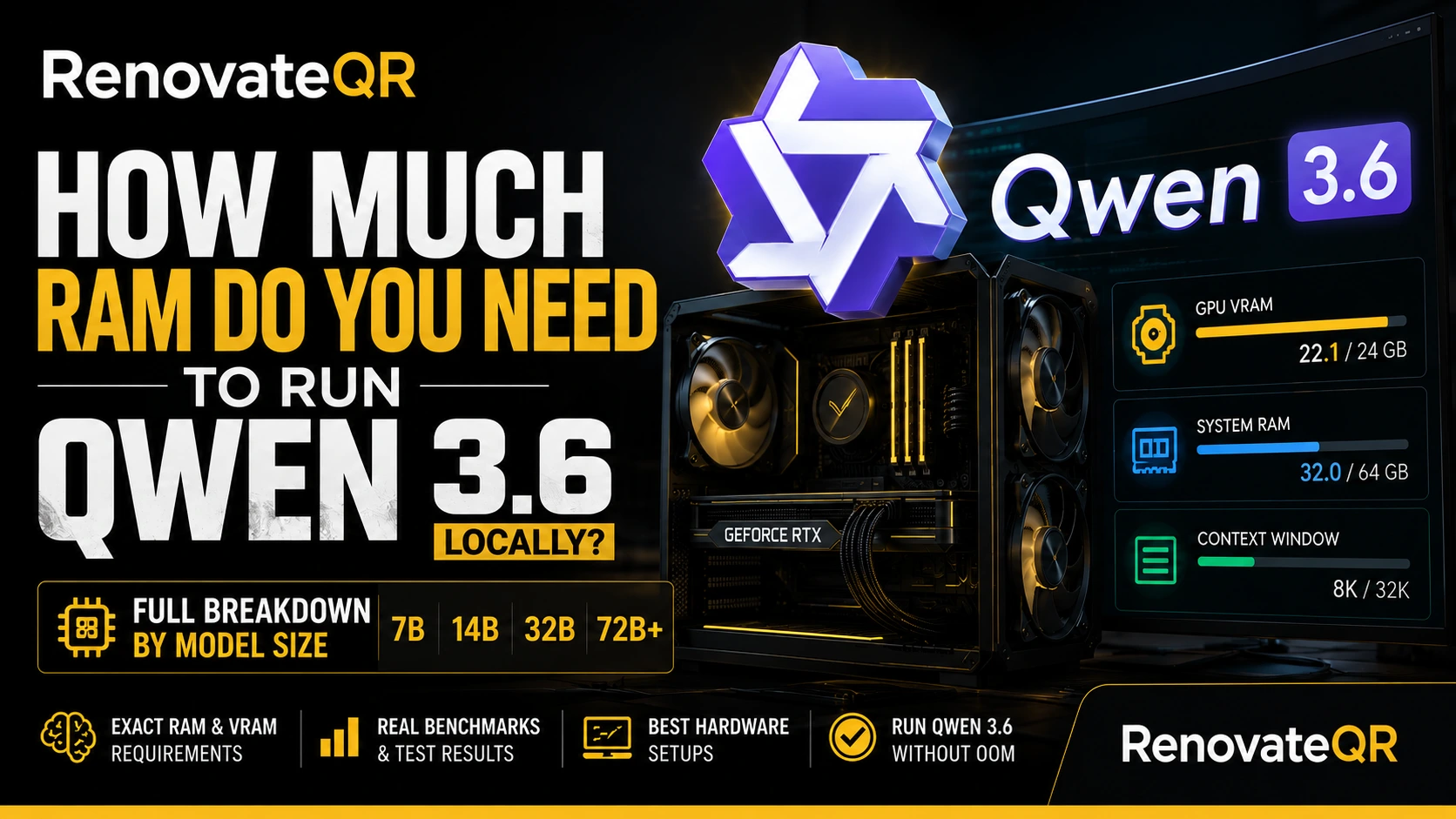
If you are sizing a more conventional local AI build, our Best GPU for Local LLMs guide covers discrete cards under $1,000, and the Qwen 3.6 RAM guide breaks down how much memory you actually need per model size.
Content Creation and Gaming: 1440p and DLSS 4.5
Despite its heavy emphasis on agentic AI, the RTX Spark remains a true GeForce gaming and content creation platform, leveraging 30 years of NVIDIA graphic software innovations.
August Release: DLSS 4.5 Ray Reconstruction
NVIDIA announced that DLSS 4.5 Ray Reconstruction will officially release in August, bringing advanced image generation and noise reduction to path-traced environments.
The feature is scheduled for integration into Blender 5.3. On-device content creators can utilize FP4 Tensor Cores for rendering alongside RT Cores for real-time 3D simulation. For video editors, the chip includes native hardware support for 4:2:2 video encoding and decoding alongside AV1, ensuring color-accurate timelines.
Raw Gaming Target
According to internal NVIDIA slides, laptops equipped with the RTX Spark SoC are designed to run AAA games at 1440p resolution at up to 100 frames per second. The Blackwell-based iGPU supports full ray tracing, DLSS 4.5, Reflex, and G-SYNC natively.
The Elephant in the Room: ARM Software Compatibility
While the hardware specifications are remarkable, the practical success of the RTX Spark depends heavily on how it handles ARM compatibility.
ARM Compatibility Spectrum for RTX Spark (Windows on ARM) [ Native Support ] ─────────────────────────► Adobe Creative Suite, Unreal Engine, Blender [ Emulated (Prism) ] ───────────────────────► General x86 Office / Productivity Software [ Major Hurdles ] ──────────────────────────► Kernel-Level Anti-Cheats (E-Sports), Legacy CAD
Emulation and E-Sports Games
For normal Windows applications, Microsoft’s built-in Prism translation layer emulates x86-64 code with reasonable efficiency.
However, gaming introduces friction. While major modern engines like Unreal Engine and Unity compile cleanly to native ARM code, hundreds of thousands of legacy PC games do not.
Furthermore, many popular multiplayer games use kernel-level anti-cheat engines (e.g., Vanguard for Valorant, Easy Anti-Cheat, BattlEye) that do not support emulated translation. For competitive e-sports players, the RTX Spark may face significant software blockages at launch unless developers publish native ARM clients.
Developer Toolchains
Even within the local AI community, initial testing on developer machines based on ARM architectures has highlighted that compiling packages can occasionally be spotty without tailored ARM wheels.
NVIDIA’s extensive CUDA toolkit and prepackaged NIMs (NVIDIA Inference Microservices) are being aggressively optimized for ARM-Windows, but some early developer friction is to be expected.
The Long-Term Commitment: A Three-Generation Roadmap
A common concern among hardware manufacturers and software ISVs (Independent Software Vendors) is whether NVIDIA is deeply committed to this architecture, or if the RTX Spark is a speculative one-off project.
To counter this, CEO Jensen Huang publicly laid out a three-generation roadmap for Spark at Computex:
- Grace Blackwell (Current Gen): The current TSMC 3nm superchip pairing 20 Grace cores with Blackwell graphics and up to 128GB LPDDR5X.
- Vera Rubin Spark (Second Gen): A future architecture featuring a newly designed Vera CPU and Rubin GPU, utilizing high-bandwidth LPDDR6 memory.
- Rosa Feynman Spark (Third Gen): An ultra-performance platform featuring a Rosa CPU and stacked Feynman GPUs, paired with even faster next-generation memory.
By sharing this multi-year roadmap, NVIDIA is assuring its OEM partners (such as ASUS, HP, Dell, and Lenovo) and global software developers that it will provide continued support to build out the ARM-based Windows ecosystem.
What Comes Next for Consumers and Developers?
RTX Spark laptops-including premium slimmest-in-class models like the ASUS ProArt P14/P16 and the highly anticipated Microsoft Surface Laptop Ultra-will begin shipping to consumers this Fall.
For developers, designers, and power users, the choice between Spark and traditional x86 options comes down to a simple trade-off:
- Choose RTX Spark if: You prioritize ultra-long battery life, local execution of massive AI models, private agent automation, and native creative tools.
- Choose Traditional x86 (Intel/AMD + Dedicated GPU) if: Your daily workflow relies on legacy PC games with kernel anti-cheat, specialized CAD tools, or older software without native ARM support.
Pricing for these laptops has not been finalized, though they are expected to occupy the premium market segment. As we approach the Fall launch, real-world benchmarks on Microsoft's translation performance and native game updates will determine whether the RTX Spark can truly redefine personal computing.
Sources & References
- NVIDIA, for RTX Spark specifications
- NVIDIA Newsroom, for launch announcements
Frequently Asked Questions
What is the NVIDIA RTX Spark?
The NVIDIA RTX Spark is an ARM-based System-on-Chip (SoC) designed in collaboration with MediaTek and Microsoft for premium Windows laptops and compact desktops. It combines an ultra-efficient 20-core Grace CPU, a powerful Blackwell-architecture GPU with 6,144 CUDA cores, and up to 128GB of unified memory, targeting local AI agent execution and premium 1440p gaming.
When will RTX Spark laptops be available and from which brands?
RTX Spark devices will begin shipping in Fall 2026. The launch features systems from top-tier OEMs, including ASUS (ProArt P14/P16), HP (OmniBook), Microsoft (Surface Laptop Ultra), Dell, Lenovo, and MSI, with Acer and GIGABYTE models following shortly after.
How does the RTX Spark perform for local AI applications?
The superchip delivers up to 1 petaflop of local FP4 AI performance. With 128GB of unified LPDDR5X memory supporting up to 300 GB/s bandwidth, the architecture is designed to host and run local reasoning models up to 120B parameters (or fine-tune models on DGX Spark) without relying on cloud APIs.
What are the gaming capabilities of the RTX Spark?
The integrated GPU contains 6,144 CUDA cores, roughly equivalent to a desktop GeForce RTX 5070. It supports hardware ray tracing, path tracing, DLSS 4.5 Ray Reconstruction (arriving this August), and is claimed by NVIDIA to achieve up to 100 fps in AAA gaming at 1440p resolution.
Is the RTX Spark compatible with standard Windows applications and games?
Because it is an ARM-based processor, x86-64 games and applications rely on Microsoft's built-in Windows translation layer (Prism). Native ARM support is growing quickly among creative suites (like Adobe) and major engines, but older games, anti-cheat software, and legacy applications may face compatibility challenges at launch.
What is NVIDIA's long-term roadmap for the Spark architecture?
NVIDIA has committed to at least three generations. Following the Grace Blackwell-based RTX Spark, the company plans to launch a Vera Rubin architecture Spark chip using next-generation LPDDR6 memory, followed by a Rosa Feynman Spark platform, signaling a sustained, multi-year investment in ARM-based personal computing.
Renovate QR Newsletter
Stay sharp on AI & tech
Our best reviews, comparisons, and guides — delivered weekly. No noise, no spam.