Multimodal AI Explained: Models That See, Hear, and Read
Multimodal AI processes text, images, audio, video, and code at once, and it is changing healthcare and creative work. A plain-English guide for 2026.
TL;DR
AI that processes text, images, audio, video simultaneously - not just one type of input like early chatbots.
Can reason across modalities: look at a chart and explain the trend, listen to symptoms and cross-reference medical images.
Gemini 3.1 Pro and GPT-5.4 lead in multimodal capabilities. Claude 4.6 catching up with vision features.
Transforming healthcare, creative work, education, and scientific research - not just a gimmick, a genuine step change.
Multimodal AI Explained: Why the Next Generation of AI Sees, Hears, and Reads
The first generation of widely-used AI tools were, essentially, very sophisticated text boxes. You typed something in, text came out. Impressive, but limited to one sensory channel.
The AI of 2026 is fundamentally different. Today's leading models can look at an image and describe what they see, listen to audio and transcribe or respond to it, watch a video and analyse its content, read a document and cross-reference it with spoken instructions - all within a single conversation, all at the same time.
This is multimodal AI, and it's not a gimmick. It's a genuine step change in what AI can do - and it's already reshaping healthcare, creative work, education, customer service, and scientific research.
What Does "Multimodal" Mean?
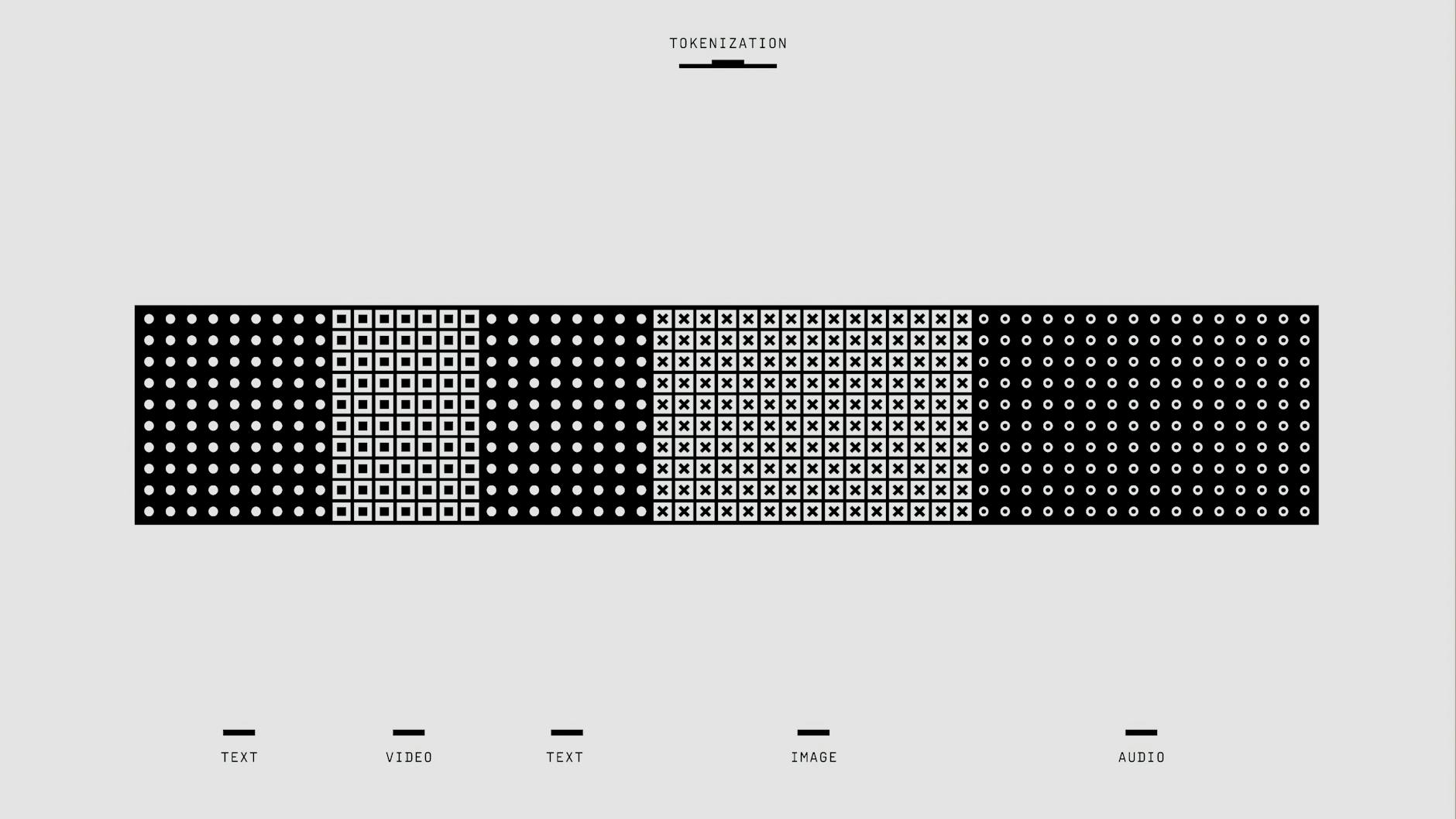
In AI, a modality refers to a type of input or output. Text is a modality. Images are a modality. Audio is a modality. Video, code, and even sensor data are modalities.
Unimodal AI - the kind that dominated early chatbots - processes only one modality. A language model processes text. An image classifier processes images. They're separate systems for separate tasks.
Multimodal AI processes multiple modalities simultaneously and can reason across them. It doesn't just see an image OR understand text - it understands the relationship between them. It can look at a chart and explain the trend it shows. It can listen to a patient describe symptoms and cross-reference a medical image. It can watch a tutorial video and answer your questions about the specific moment you're confused about.
The key advance isn't just that models can handle different data types - it's that they can reason across those types in an integrated, coherent way.
Which Models Lead in Multimodal Capability in 2026?
Gemini 3.1 Pro (Google DeepMind) - The Multimodal Leader
Google's Gemini 3.1 Pro is widely regarded as the strongest multimodal model available in 2026. It was designed from the ground up to be multimodal - rather than adding image and audio capabilities to an existing text model. It natively processes text, images, audio, video, and code in a single model.
What this means in practice: you can share a video of a product malfunction, describe the problem in words, and ask Gemini to cross-reference the visual evidence with your technical documentation - in a single conversation, without switching between tools. This kind of integrated multimodal reasoning is what makes Gemini particularly powerful for media-heavy industries.
GPT-5.4 (OpenAI) - Broad and Versatile
GPT-5.4 handles text, images, and code natively, and integrates with OpenAI's image generation (DALL-E) and voice capabilities. Its strength is breadth and tool integration - it can generate images, engage in voice conversations, and analyse uploaded documents within the same interface. For most everyday multimodal tasks, it's exceptionally capable.
Claude 4.6 (Anthropic) - Strong on Document Analysis
Claude can understand and analyse images you share, making it excellent for tasks that combine visual and textual reasoning - like reviewing a design, analysing a chart, or describing a photograph in the context of a longer research task. Claude cannot generate images, focusing instead on understanding and reasoning about visual content rather than creating it.
What Can Multimodal AI Actually Do?
Read and Analyse Documents
Upload a PDF, an image of a handwritten note, a scanned receipt, or a complex financial report - and a multimodal AI can extract the information, answer questions about it, compare it to other documents, and summarise what matters. This has practical applications ranging from legal document review to personal expense management.
Understand Images in Context
Beyond simple image description, multimodal AI can reason about images. A doctor can upload an X-ray and ask questions about specific features alongside patient history. An engineer can share a photo of a mechanical failure and receive a technically grounded analysis. A designer can upload a mood board and ask for colour palette suggestions that match the aesthetic.
Process Audio and Voice
Advanced multimodal models can transcribe audio, analyse tone and sentiment, translate between languages in real time, and respond verbally. This enables voice-driven AI assistants that feel genuinely conversational - not just keyword-matching systems responding to wake words.
Analyse Video
This is among the most exciting and recently-developed capabilities. Models like Gemini 3.1 can analyse video content - understanding what's happening, identifying key moments, answering questions about specific scenes, and generating time-stamped summaries. For content creators, educators, and researchers working with video, this is transformative.
Generate Images and Visual Content
OpenAI's DALL-E (integrated into ChatGPT) and similar tools can generate high-quality images from text descriptions. This is being used for product visualisation, marketing content, concept illustration, and rapid prototyping of visual ideas.
Real-World Applications Changing Industries
Healthcare
Multimodal AI is enabling a new generation of diagnostic tools that can simultaneously analyse medical images (X-rays, MRIs, pathology slides), review patient history in text form, and generate structured clinical summaries. Tools can flag potential anomalies in radiology scans at a speed and volume no human team could match - not to replace radiologists, but to dramatically reduce the time they spend on routine screening.
Voice-enabled multimodal AI is also changing clinical documentation. Physicians can speak naturally while conducting examinations, with AI simultaneously understanding their speech, recording key clinical data, and structuring it into medical records.
Education
Multimodal tutoring systems can see what a student is working on - a diagram, a handwritten equation, a coding problem - and provide targeted guidance in response to the specific visual context. Students who struggle to articulate what they don't understand can simply show the AI where they're stuck.
Creative Industries
Designers, filmmakers, and content creators are using multimodal AI to work across formats fluidly - describing an idea in words, generating a visual reference, refining based on feedback, and generating accompanying text or audio - all within connected workflows that would previously have required separate specialised tools.
Designers and filmmakers are also using multimodal systems to keep those inputs connected throughout a production. With invideo agent, filmmakers can bring scripts, PDFs, images, videos, references, and other production material into the project, where the agent can work from them alongside the project's existing creative context. That reduces the need to translate every visual or production reference into a fresh text prompt.
Customer Service
Multimodal AI enables customer service systems that can understand photos of damaged products, screenshots of error messages, or videos of malfunctions - rather than requiring customers to describe problems in text. This dramatically improves resolution rates for complex product issues.
Scientific Research
Researchers are using multimodal AI to analyse data across formats simultaneously - combining data tables, scientific images, experimental results, and literature in ways that surface insights a single-modality analysis would miss.
The Limitations to Know
Multimodal capability doesn't mean perfect capability. A few important caveats:
Video analysis is computationally expensive. Processing and reasoning over long video is still significantly more expensive and slower than text or image tasks. Most current deployments work best with short clips or specific frames.
Audio quality matters. Multimodal audio models perform well on clear speech but can struggle with heavy accents, background noise, or complex acoustic environments.
Cross-modal reasoning isn't always reliable. Models can still make errors when integrating information across modalities - particularly for highly technical or domain-specific visual content that requires specialised knowledge to interpret correctly.
Image generation and image understanding are separate capabilities. A model that can generate images isn't necessarily better at analysing them (and vice versa). These are distinct skills under the "multimodal" umbrella.
Why Multimodal AI Matters for the Future
The reason multimodal AI is so significant isn't just that it's more capable than unimodal AI - it's that it removes the translation tax.
Every time information moves from one format to another - from video to text, from image to description, from speech to document - meaning is lost and effort is expended. Multimodal AI eliminates much of that translation burden, enabling AI to meet the world where the information actually lives rather than requiring humans to convert everything into text first.
By 2028, analysts expect multimodal reasoning to be the standard baseline expectation for any serious AI tool - the same way internet connectivity is now a baseline expectation for software, even though it once seemed like a remarkable feature.
Our Research Methodology
This article draws on technical documentation, benchmark analyses, and expert commentary from Google DeepMind, OpenAI, Anthropic, Gartner, and independent AI analysts published between late 2025 and March 2026.
Sources & References
- Google DeepMind: Gemini Overview
- OpenAI: GPT-5.4
- Anthropic: Claude 4.6
- Gartner: Multimodal AI Trends 2026
- Artificial Analysis Intelligence Index
Last updated: March 2026. Multimodal AI capabilities are advancing rapidly - always consult current model documentation for the latest features.
Frequently Asked Questions
What does multimodal AI mean?
Multimodal AI processes more than one kind of input at once: text, images, audio, video, and code. Instead of a chatbot that only reads words, it can look at a screenshot, hear a voice note, and read a document in a single conversation.
Which models lead in multimodal capability in 2026?
Gemini 3.1 Pro from Google DeepMind is the multimodal leader, GPT-5.4 from OpenAI is the broad and versatile all-rounder, and Claude 4.6 from Anthropic is strongest on document analysis. Each has a different strength profile, and the guide covers which fits which task.
What can multimodal AI actually do today?
Read and analyse documents, understand images in context, process audio and voice, analyse video, and generate images and visual content. The post runs through concrete examples of each, including what still fails.
Where is multimodal AI already changing industries?
Healthcare, creative work, and document-heavy workflows are the early adopters covered in the post. The pattern is that multimodal models add the most value where information arrives in mixed formats rather than as clean text.
Renovate QR Newsletter
Stay sharp on AI & tech
Our best reviews, comparisons, and guides — delivered weekly. No noise, no spam.